
As part of my PhD program, I was involved in helping commercialize the genetically modified whole cell cancer vaccines I developed in the lab of Dr. Kaiming Ye in the Department of Biomedical Engineering at SUNY Binghamton.
This entailed participation in the renown I-Corps Customer Discovery course offered a few times every year by the National Science Foundation. I attended the Short Course set in the NSF node in Binghamton, NY.
It was a 2 week, intensive course on the basics of entrepreneurship and taught me how to go about designing a spin-out plan to take a concept from the ideation stage to the commercialization stage. The course was taught by some of the most successful entrepreneurs and business teachers in the Southern Tier region of Upstate NY.
The Business Model Canvas
During this process, I learnt how to build a Business Model Canvas. It was my first time doing this, so it was quite an interesting experience. I learnt about the various sections of this model, starting from Value Propositions to Customer Segments. The course focused on breaking down the canvas into understandable elements and having interactive exercises to design it for the various teams and their ideas.
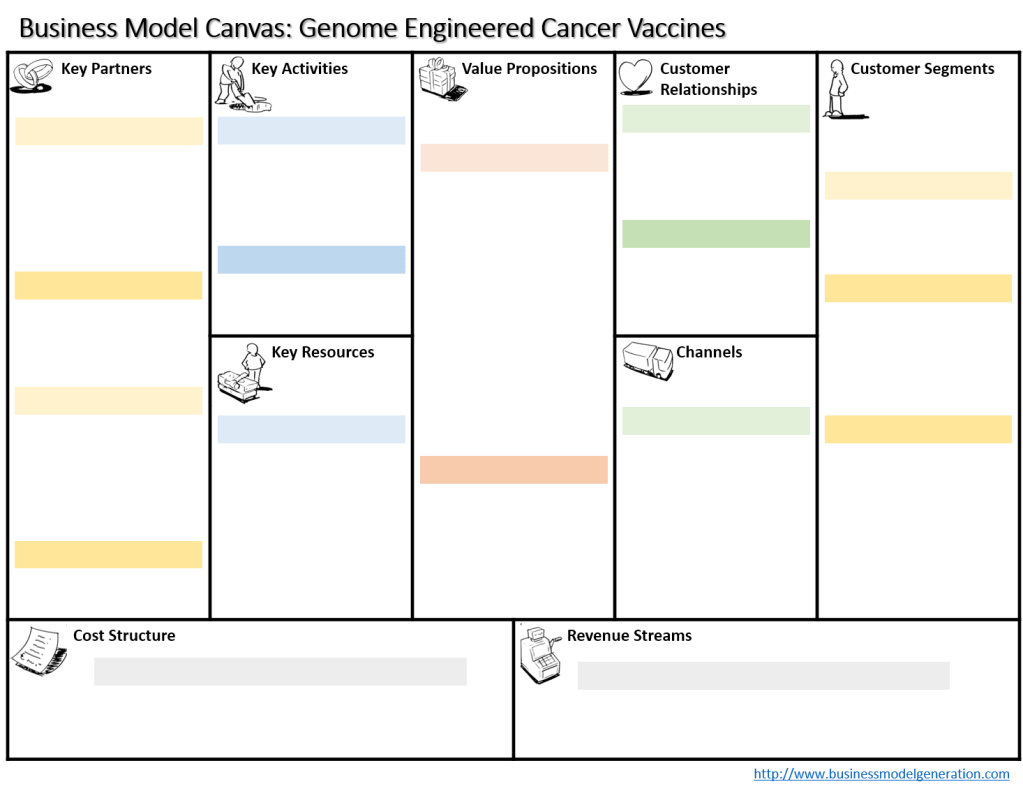
By the end of the course, I was able to clearly differentiate between previously unknown concepts like the characteristics of my cancer vaccine versus the actual value propositions that the vaccine would offer to a customer.
Customer Discovery
The primary pillar to this NSF I-Corps program was customer discovery. When we set out to scope the field and assess the need for our product in the market, one of the chief players in this lattice is the customer. I learnt the difference between target customers, end users, early adopters, influencers, sabotagers, and competitors. The goal of this course was to complete 30 customer discovery interviews in the span of 2 weeks and enlist the key learnings from this exercise to build a comprehensive business model canvas and by extension, build a solid structure to our product and company.
The customer groups I interviewed in the process were primary and secondary end users who were patients suffering from various types of cancer, recommenders, influencers, and decision makers who were involved in cancer therapy and care in the hospital and clinic. These were head oncologists, consultant oncologists, patient advocates, nurse navigators, and manager of oncology services. And I also interviewed people involved in cancer research at the bench level and business level, who provided insights on unmet needs in the field, manufacturing, regulatory approvals, and finances. These were investigators, scientists, biologics/vaccine development directors, regulatory affairs managers, directors of strategy and pharma consultants.
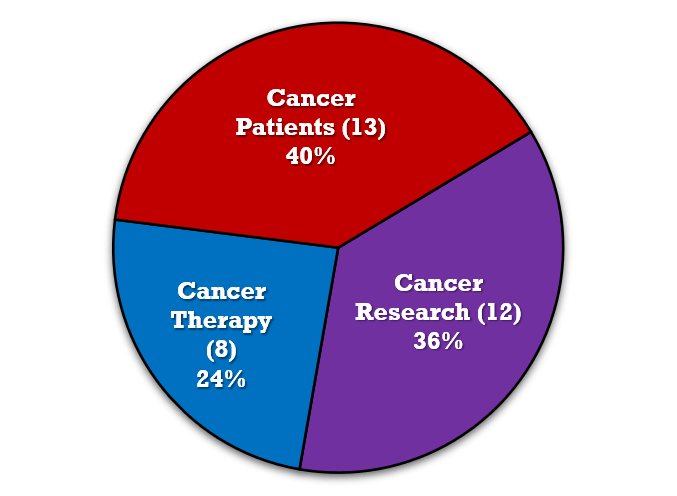
I ended up interviewing 33 people in 2 weeks, and came out of this exercise wiser about the unmet needs, the requirements in the field, the financial scenarios for patients, insurance companies, and hospitals, and I have never been happier to work in and contribute to the field of oncology.
 Subhadra Jayaraman
You must be logged in to post a comment.