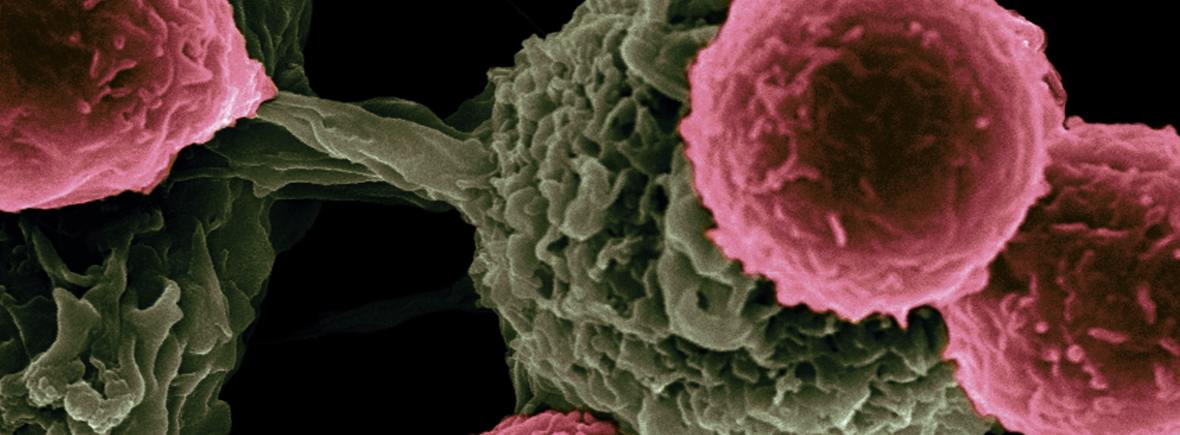
Immuno-oncology
My project and skill sets in the field of cancer immunology as part of my PhD research in the State University of New York and postdoctoral research at Merck Research Laboratories.
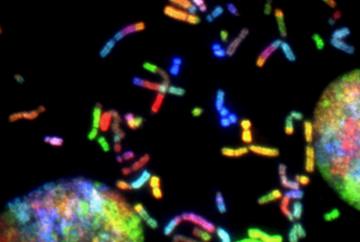
Genome Editing in Mouse Cancer Cells
The CRISPR/Cas9 gene editing tool is a rapid, easy, and efficient way of altering genes of interest in cell lines. Cancer cells develop mechanisms to evade immune attack, and in this project our target genes were the ones responsible for producing the proteins that aid this evasion. A couple of those were CD47 (a protein … Continue reading Genome Editing in Mouse Cancer Cells
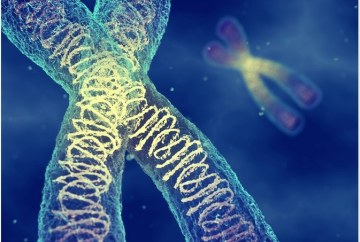
Increasing efficiency of CRISPR editing
CRISPR-based genome editing results in the deployment of DNA repair proteins by the target cells in order to fix the break created by Cas9 and the guide RNA. There are two common mechanisms most cellular systems employ – Non-Homologous End Joining (NHEJ), and Homology Directed Repair (HDR). NHEJ is error-prone and results in generating indels, … Continue reading Increasing efficiency of CRISPR editing

Immunophenotyping – multi-color flow cytometry panels
Analysis of an immune response against a tumor requires the complete profiling of the various types of immune cells generated – a process known as immunophenotyping. Most commonly, Tumor-Infiltrating Lymphocytes (TILs) and lymphocytes in tumor-draining lymph nodes (TDLNs) are studied and characterized. is one of the most common methods of measuring tumor-specific immune responses. This … Continue reading Immunophenotyping – multi-color flow cytometry panels

Relevant Model to Study Cancer Immunology
In vitro (in the lab, outside of a living organism) cell culture models have historically been used as a starting point to screen drugs, study the effects of therapeutics and learn more about cellular and molecular level changes in live cells. Most commonly used models are 2D cultures of cells on plastic surfaces that are … Continue reading Relevant Model to Study Cancer Immunology
 Subhadra Jayaraman