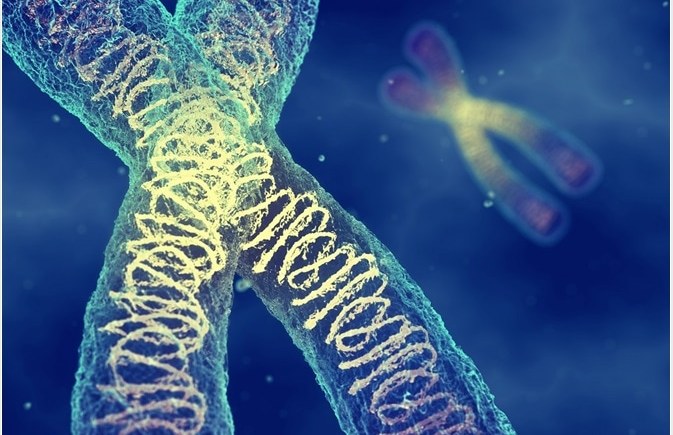
CRISPR-based genome editing results in the deployment of DNA repair proteins by the target cells in order to fix the break created by Cas9 and the guide RNA. There are two common mechanisms most cellular systems employ – Non-Homologous End Joining (NHEJ), and Homology Directed Repair (HDR).
NHEJ is error-prone and results in generating indels, which may lead to the knockout of the target protein. HDR, on the other hand, is precise and uses a template DNA to repair itself – this is often the other allele, or a synthetic template provided by the user.
One of the primary proteins responsible for the NHEJ pathway is Ku70. In this project we hypothesize that when cells are deficient in Ku70, the cells tends to resort to HDR mechanisms, hence increasing the efficiency of CRISPR-based knock-ins.
The other aspect of this project is targeting the DNA mismatch repair proteins, MSH-2 and MSH-6, which have historically found to be mutated and malfunctioning in certain types of cancer and Lynch Syndrome. We hypothesize that Ku70 and the MSH proteins work together, and their deficiency causes an increase in the probability of CRISPR interventions. We have performed analyses of efficiencies using mismatch assays and sequencing, and mechanistic studies using p53 gene expression analysis and micro-satellite instability (MSI) testing.
The implications of this project would be to provide a useful tool in editing mismatch-repair deficient cancers, and to expand the toolkit of CRISPR-Cas9 genome editing.
This project is ongoing as part of my PhD research at SUNY Binghamton, Department of Biomedical Engineering.
 Subhadra Jayaraman