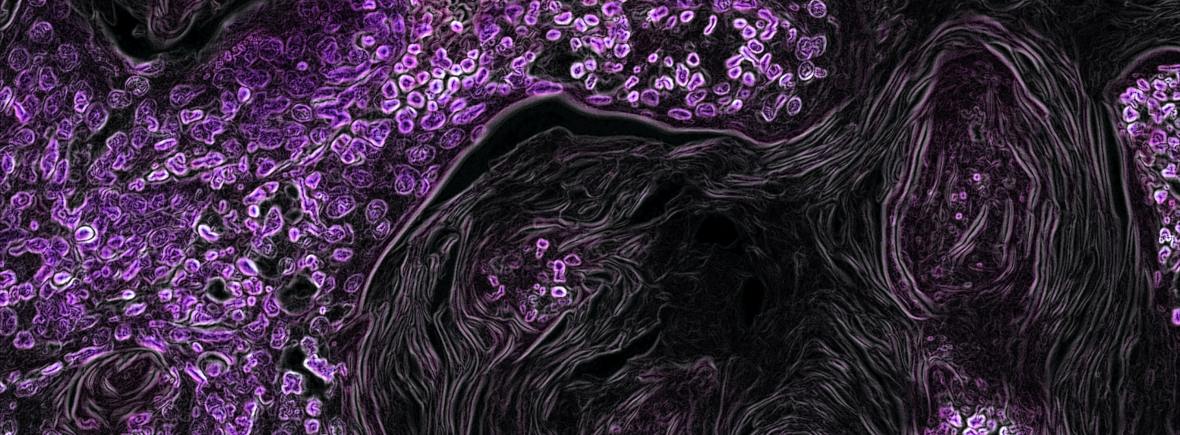
In vitro (in the lab, outside of a living organism) cell culture models have historically been used as a starting point to screen drugs, study the effects of therapeutics and learn more about cellular and molecular level changes in live cells. Most commonly used models are 2D cultures of cells on plastic surfaces that are conducive to cell growth.
There is a growing need to develop such study models that recapitulate the in vivo or human systems better. Mouse models, which are most commonly used to study cancer immunotherapeutic agents, can be expensive, time consuming, insufficient to study genetic and biomolecular level interactions, and in some cases not completely relevant. It is imperative to develop a platform technology which can circumvent these pitfalls to better study cancer therapeutics.
For this, I am helping a team of oncologists and immunologists develop an in vitro 3D co-culture system involving at least two types of cells – human cancer cells formed into 3D spheroid structures, and cytotoxic T cells which are the primary effector immune cells in an anti-tumor immune response. This 3D model would help recapitulate tumor-specific characteristics such as hypoxia, necrosis, T-cell infiltration into tumors, expression of relevant cytokines and immuno-modulatory proteins that cannot be profiled in a 2D model.
Using techniques such as high resolution live cell imaging, fluorescent microscopy, flow cytometry, gene expression analysis, and genome-wide CRISPR screening, I plan to study the tumor-T-cell specific interactions and characterize the effects of immunotherapeutic antibodies in various biological pathways.
 Subhadra Jayaraman